


White Education and Its Legacy: How Canada and the U.S. See the World — And Why It Still Fails to Confront Racism
Although this space is dedicated to the promotion and diffusion of reggae music, there must always be room to speak about harsh realities that white society often prefers to avoid. Talking about these historical issues is not only uncomfortable — it is disturbingly contemporary. So let’s create a space for discomfort, a space where we confront what many would rather ignore.
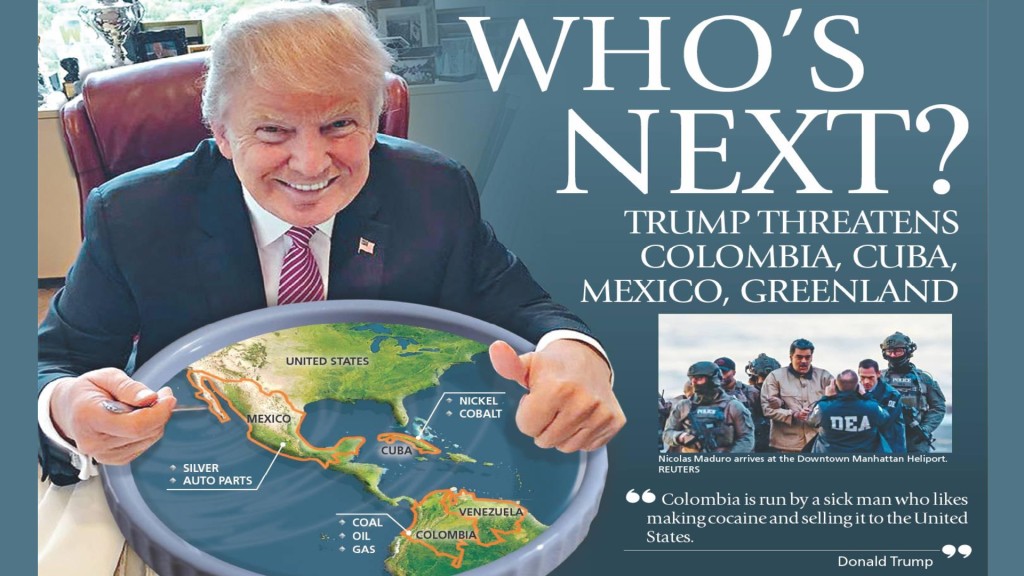
We are living in times where South America is once again threatened by invasion and destabilization, driven by the violent imperial mindset embodied by figures like Donald Trump. These are not distant or abstract problems; they are active forces shaping lives, borders, and futures right now.
Reggae has always been my language of resistance — my grit, my spiritual and political weapon. It has been the way I say no to imperialism and yes to the self-determination of peoples. Reggae was never meant to be comfortable. It was born to expose injustice, to challenge power, and to remind us that silence is complicity.
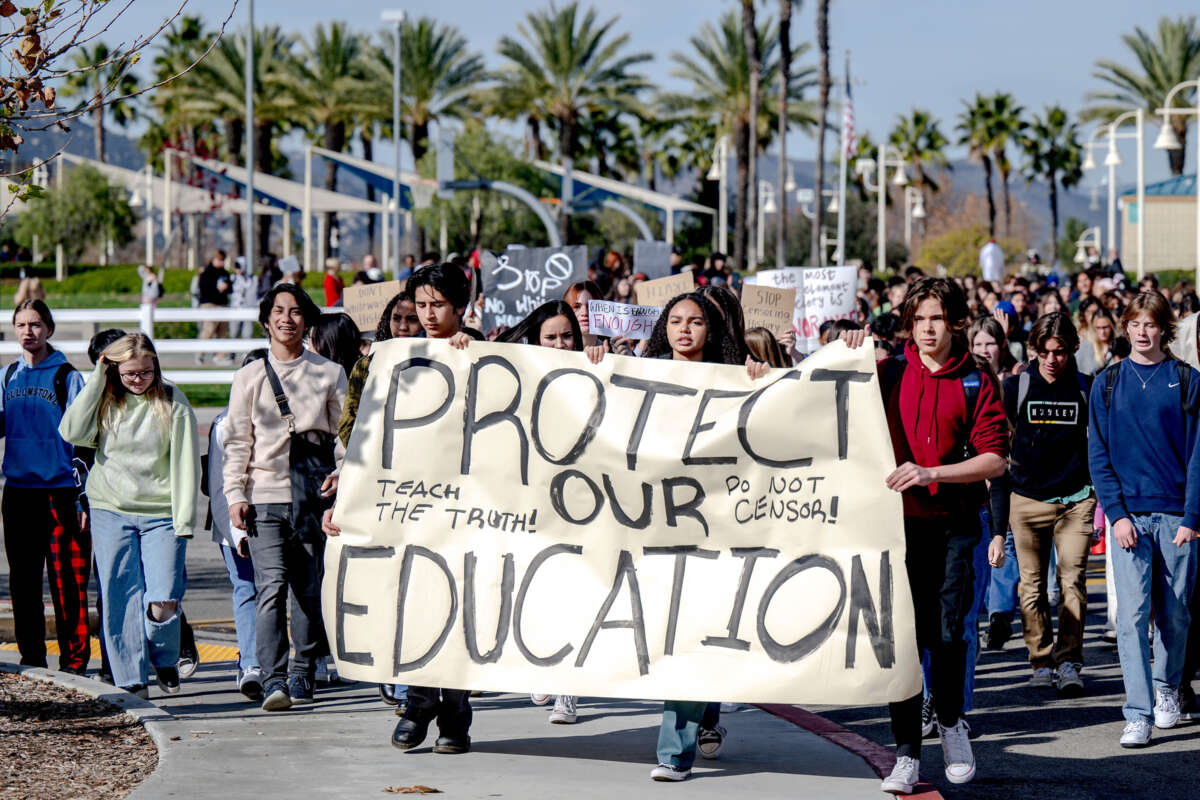
How we learn history and how we view the present shape how we understand the world. In both Canada and the United States — two nations built on European colonialism — education has long carried a white, Eurocentric worldview that still influences how many people interpret society, power, and global affairs.
This worldview doesn’t explicitly teach that “white people are superior,” but it centers whiteness as neutral, normative, and universal, while depicting struggles against racism as exceptions or problems of the past. This framing deeply affects how white Canadians and Americans perceive themselves and others: not as beneficiaries of unequal systems, but as neutral or even virtuous actors in world history.
What White-Centered Education Really Is
In Canada, school curricula have often celebrated multiculturalism and the myth of national benevolence while downplaying the realities of colonial violence, slavery, and enduring racial inequality. For example, the narrative of the Underground Railroad emphasizes Canada as a refuge without equally highlighting Canadian slavery and anti-Black discrimination. (Trentarthur.ca)
In the U.S., recent political battles over how to teach race, slavery, and civil rights — including attacks on Critical Race Theory — have pushed textbooks toward patriotic narratives that avoid structural explanations for racial inequality. (Times Higher Education)
White-centered education doesn’t necessarily rely on explicit prejudice; it relies on what it omits, what it frames as “normal,” and whose stories it prioritizes. The result is a worldview where white experience feels universal and other experiences feel marginal or optional.
From the Classroom to Politics: Trump’s Appeal Beyond the U.S.
Donald Trump’s political rise in the United States was accompanied by rhetoric that resonated with white identity anxieties: fear of demographic change, resentment toward multiculturalism, and opposition to globalism. While Trump is an American figure, similar sentiments can be found among some white Canadians who absorb parallel media ecosystems, including American news and social networks.
These ideas aren’t limited by borders. Segments of the Canadian white population who feel threatened by societal change — especially around immigration, race, and cultural shifts — may find a familiar voice in Trump-aligned narratives that frame minority empowerment and antiracism as “attacks” on white people. This dynamic is not universal among all white Canadians, but it is detectable in online communities, social media trends, and political signifiers that mirror U.S. alt-right discourse.
Research has shown that extremist and identitarian networks cross borders, reinforcing each other online and normalizing ideas that once were fringe.
Empire, Intervention, and the Myth of Moral Leadership
This worldview also extends to foreign policy. For decades, the United States has justified military interventions and regime change in global affairs with language about freedom, democracy, and humanitarianism. Yet the outcomes in countries like Iraq, Afghanistan, Libya, and elsewhere tell a much darker story: long periods of instability, power vacuums exploited by violent actors, and devastation for civilian populations.
After the 2003 invasion of Iraq, sectarian conflict and the emergence of ISIS destabilized the region for years.
The NATO-backed intervention in Libya in 2011 contributed to the collapse of central governance and ensuing civil strife.
Two decades of war in Afghanistan ended without sustainable political or social stability.
Whether or not one agrees with the intentions behind these policies, the human cost and long-term consequences are indisputable and often absent from sanitized educational narratives that frame Western intervention as inherently moral.
A Threat to the Global South and the Americas
These patterns of intervention and external pressure aren’t limited to the Middle East. Throughout Latin America, memory of U.S. interference — from covert operations to economic sanctions — shapes how regional actors view northern powers.
In recent years, U.S. policies toward countries like Venezuela have included sanctions and diplomatic pressure, often defended in Western media as promoting democracy but criticized internationally for worsening humanitarian conditions.
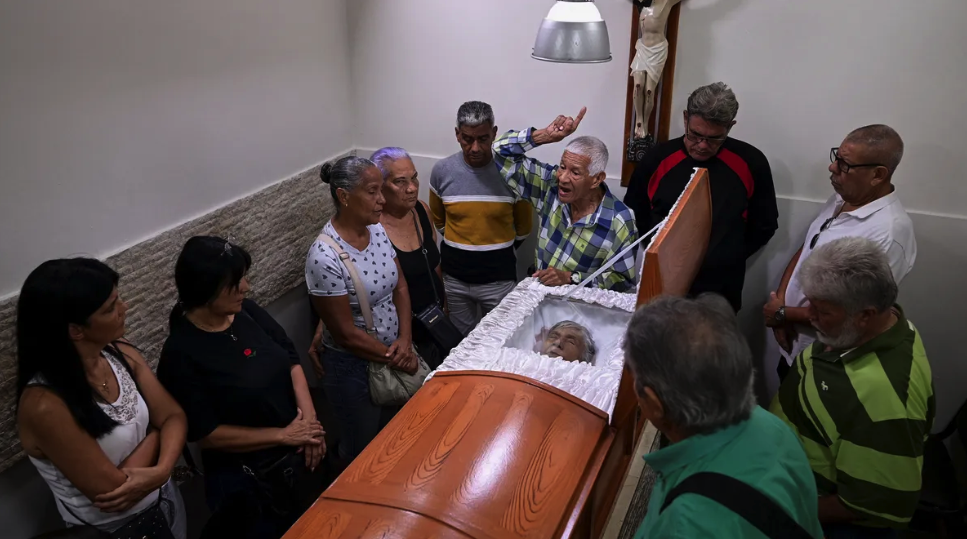
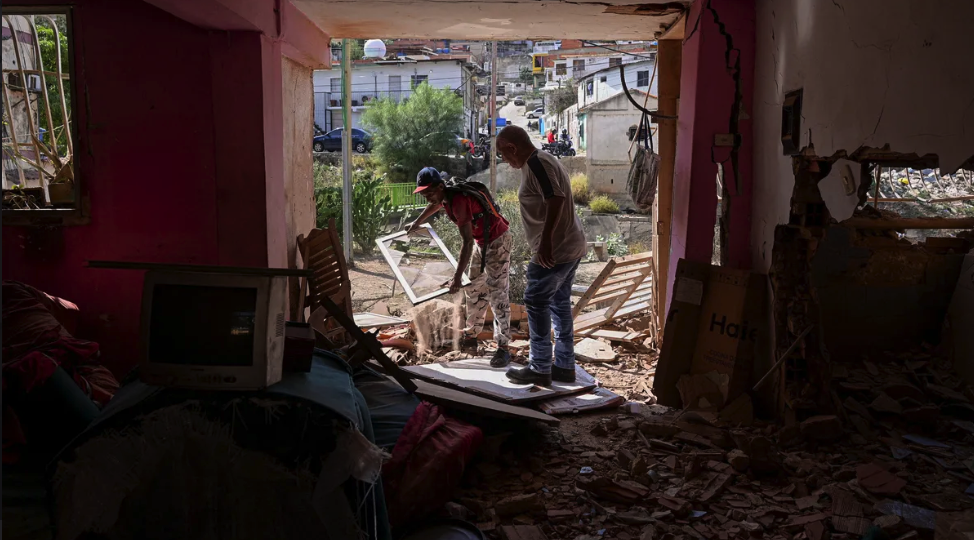
As of the latest reporting on the U.S. military intervention in Venezuela, Venezuelan and allied sources have indicated that the death toll from the operation has risen to around 80 people, including security personnel and civilians, with the figure potentially still increasing as more information emerges.
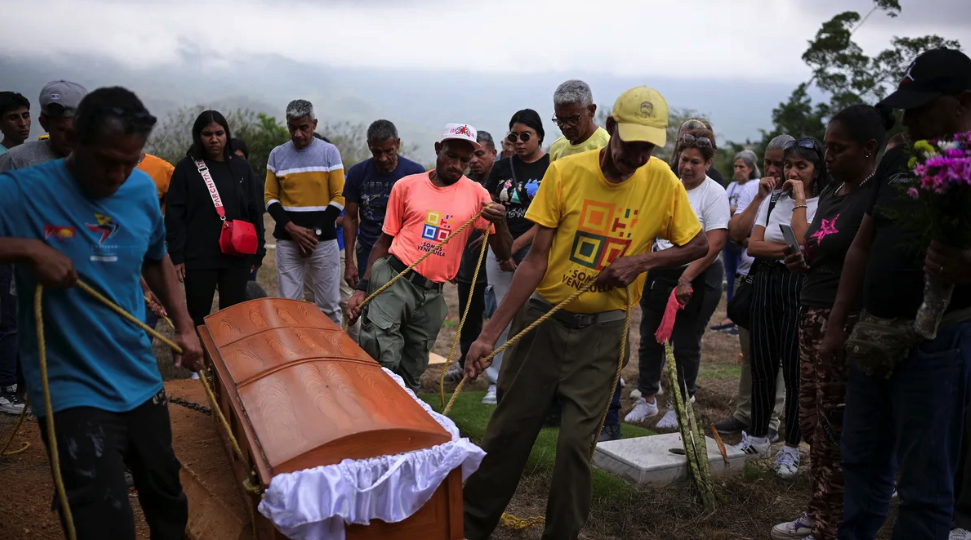
Threats of intervention or coercive diplomacy directed at countries such as Mexico or Colombia — whether over trade, migration, or security — are sometimes supported by political factions influenced by the same worldview that resists confronting racism domestically.
Why This Still Matters
It is deeply sad and historically avoidable that in the 21st century we continue to witness the consequences of systems rooted in colonialism, racial hierarchy, and power imbalance. Nations that emerged from European colonial expansion continue to project influence globally while resisting critical reflection on their own histories.
The refusal to fully accept the presence and impact of racism — down to its structural roots in education, policy, and identity — not only distorts national self-image but also justifies ongoing inequities abroad.
Worse still is the symbolic language that replaces substance: the idea of celebrating superficial contemporary figures without reckoning with foundational struggles, as though assigning a “day for someone like Chaly Kirk” could stand in for meaningful engagement with civil rights legacies like Martin Luther King Jr.’s. This is not merely misguided; it reflects a reluctance to disrupt comfort and confront truth.
The persistence of these dynamics — invisible to some, controversial to others — is a lamentable testimony to how hard it is to dismantle systems that benefit those already in power.
Bibliography / Sources - Books & Academic Works
- Cole, Desmond. The Skin We’re In: A Year of Black Resistance and Power. Doubleday Canada, 2020.
- Henry, Frances, et al. The Colour of Democracy: Racism in Canadian Society. Nelson Education, 2017.
- Delgado, Richard, and Jean Stefancic. Critical Race Theory: An Introduction. NYU Press, 2017.
- Bell, Derrick. Faces at the Bottom of the Well: The Permanence of Racism. Basic Books, 1992.
- “Understanding how racism becomes systemic.” McGill University, Human Rights Office.
- Trentarthur.ca — Coverage of Canadian curriculum and how racism is depicted in history education.
- “Trump attacks teaching about racism across U.S. history,” Times Higher Education.
- El Tiempo: Article on expanding racism in the U.S. (coverage of broader social context).
Articles, Reports & Web Sources
Historical & Policy Context
If this makes some uncomfortable, then it is doing exactly what reggae has always done best.