



Haile Selassie I: The Birth of a Legendary Emperor
On July 23, 1892, in a small village called Ejersa Goro in the eastern region of Harar, Ethiopia, a child was born who would go on to change the course of his nation's history and become a spiritual symbol for millions around the world. His birth name was Lij Tafari Makonnen. This name, rich in lineage and meaning, marked the beginning of a life woven with power, wisdom, controversy, and devotion.
A Noble Cradle
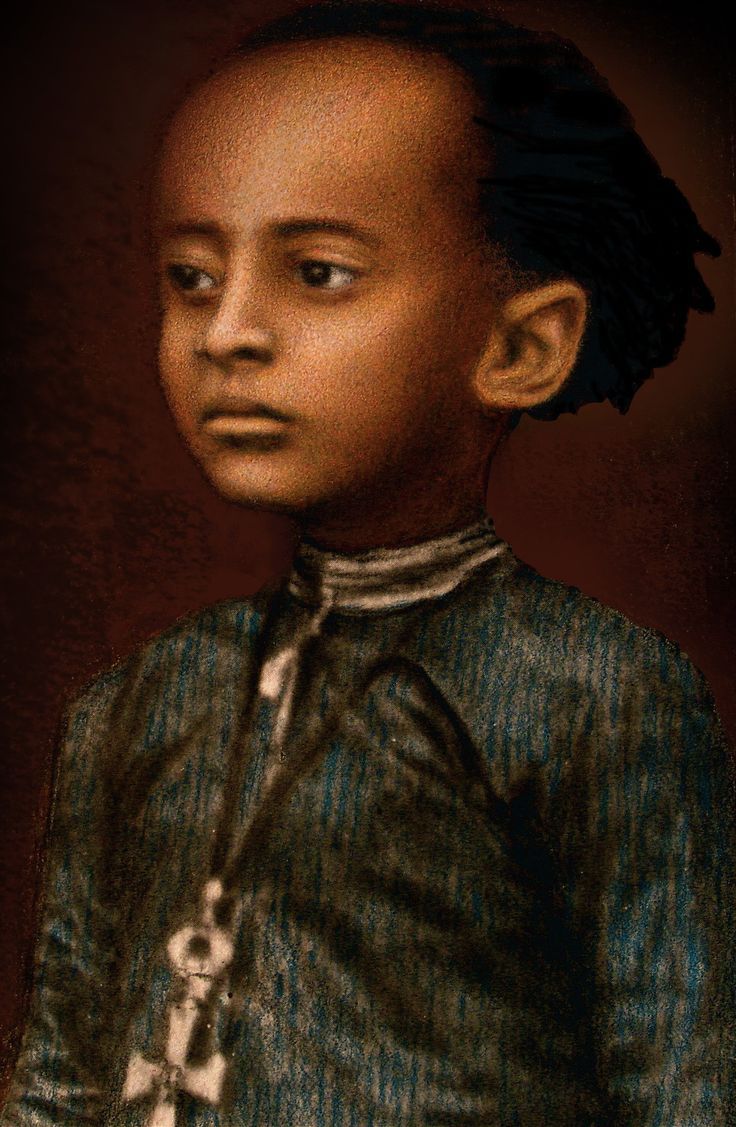
Lij Tafari was the only surviving son of nobleman Ras Makonnen Woldemikael, governor of Harar and a close cousin of Emperor Menelik II. His mother, Woizero Yeshimebet Ali, came from a prominent Harari family but died when Tafari was very young. The title "Lij" denoted nobility, and from childhood, he was prepared for a life of leadership.
Tafari's education was exceptional for his time. He learned Ge'ez (Ethiopia's liturgical language), Amharic, French, and received instruction in history, religion, and politics. By the age of five, he already displayed discipline and clarity of thought—qualities that would prove vital on his path to the throne.
Until the philosophy which holds one race superior and another inferior is finally and permanently discredited and abandoned; that until there are no longer first class and second class citizens of any nation; that until the color of a man’s skin is of no more significance than the color of his eyes; that until the basic human rights are equally guaranteed to all without regard to race; that until that day, the dream of lasting peace and world citizenship and the rule of international morality will remain but a fleeting illusion, to be pursued but never attained..
— Haile Selassie I
Rise Among Princes
At 13, his father granted him the title Dejazmach, a high-ranking military title, and appointed him governor of a small province. The death of Ras Makonnen in 1906 left Tafari in a vulnerable position, but his intelligence and charisma helped him preserve his family’s influence.
Over the following years, Tafari steadily rose through the ranks. He became governor of Harar and later one of Ethiopia’s key political figures. In 1916, following the deposition of Emperor Iyasu, Tafari supported the enthronement of Empress Zewditu, becoming Crown Prince and Regent of the Empire.
A Modern Reformer
During his regency (1916–1930), Tafari implemented a series of social, educational, and administrative reforms. He abolished slavery, modernized the education system, and strengthened diplomatic ties with Europe and the Middle East. He was the first African leader to join the League of Nations, advocating for the self-determination of African peoples long before the continent began its decolonization process.
In 1924, he embarked on a historic diplomatic tour of Europe and the Middle East, gaining respect from international leaders and showcasing a modern, dignified, and sovereign Ethiopia.
Coronation as Emperor
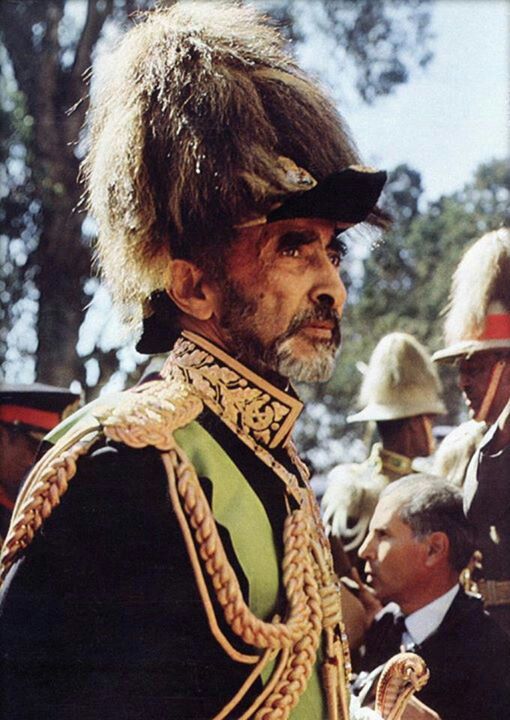
On November 2, 1930, Tafari Makonnen was crowned His Imperial Majesty Haile Selassie I, King of Kings, Lord of Lords, Conquering Lion of the Tribe of Judah, Elect of God. The name "Haile Selassie" means "Power of the Trinity." The coronation was an international event, transmitted via telegraph and documented by the global press.
His coronation marked not only a turning point for Ethiopia but also for African history—a declaration of independence in the face of colonial powers.
The Birth of a Symbol
Although Haile Selassie was a key political figure in Ethiopia, he also became a spiritual icon for the Rastafari movement, born in Jamaica during the 1930s. Regarded by many Rastafarians as the reincarnation of the Messiah, his birthday, July 23, is celebrated annually as a sacred date known as the "King's Birth Day."
For Rastafarian followers, Haile Selassie represents dignity, resistance to oppression, and a deep spiritual connection to Africa. His speeches, particularly at the League of Nations in 1936 following Italy’s invasion of Ethiopia, inspired entire philosophies and lyrics within reggae and Rastafarian culture.
The birth of Haile Selassie I was not merely the arrival of a future emperor but the genesis of a political, spiritual, and cultural legacy that transcended borders and generations. From the halls of Addis Ababa's imperial palace to the lyrics of Bob Marley, his image endures as a beacon of African resistance, wisdom, and dignity.
Every July 23, we commemorate not just the birth of a man but the awakening of an African consciousness that continues to resonate in the hearts of those who fight for justice, identity, and freedom.